














October marks a critical turning point for the RV traveler. As the calendar pushes toward November, the factors that made a destination ideal in July—high-altitude vistas, long daylight hours, and open mountain passes—begin to work against you. Successful late-season travel requires shifting your focus from the peak of the mountain to the shelter of the lowlands or the coast. By understanding how elevation and latitude dictate park accessibility, you can maintain a flexible, safe, and enjoyable travel schedule.
Elevation and the Mountain Road Reality
In high-elevation parks, the transition from autumn to winter happens rapidly. A mountain road that was accessible in September can become a liability by late October. When planning a trip to mountainous regions, such as Great Basin National Park, your first step must be checking current conditions rather than relying on general seasonal expectations.
For example, the Wheeler Peak Scenic Drive in Great Basin is a classic high-elevation route. It climbs over 4,000 feet in just 12 miles, taking travelers from sagebrush flats to sub-alpine forests. However, this road is not designed for all vehicles. According to the National Park Service’s Great Basin Wheeler Peak Scenic Drive page (checked 2026-10-23), vehicles and trailers over 24 feet in length are prohibited beyond the Upper Lehman Creek Campground. Furthermore, the road is subject to seasonal closures; during winter, the road is impassable and closed to vehicle traffic at the campground. If you are traveling in a larger rig or planning a trip in late October, you must recognize that your access to the higher reaches of the park is likely already restricted or subject to immediate closure. When the elevation rises, the margin for error shrinks. You must prioritize routes that match your vehicle’s specifications and have a backup plan that keeps you at lower, more stable elevations.
To manage these transitions effectively, it is often wise to build a road trip with fewer moving days. By staying in one base camp longer, you allow yourself more time to monitor weather forecasts and road status updates, rather than constantly driving toward potential closures.
Shifting to Temperate Landscapes
As mountain roads close, lower-elevation destinations can offer different options. Their suitability still depends on local forecasts, operating dates, and current conditions; lower elevation does not guarantee mild weather. Indiana Dunes National Park, for instance, offers a distinct seasonal rhythm that differs significantly from high-altitude environments. As noted on the Indiana Dunes Itineraries page (checked 2026-10-23), the park provides specific seasonal opportunities, such as fall colors on the Glenwood Dunes Trail. These itinerary suggestions identify activities to consider, not a guarantee of snow-free access or mild temperatures. Confirm the forecast and park alerts before choosing dates.
When you shift your focus to these areas, your itinerary planning should also adapt. Instead of planning for long, strenuous hikes that might be dangerous in icy, high-altitude conditions, you can focus on the specific amenities available in the shoulder season. This includes utilizing visitor centers for educational programs, exploring historic sites like the Century of Progress Homes, or enjoying the quieter atmosphere that comes with the off-season. Planning your trip around these specific, accessible experiences ensures that you are not fighting the season, but rather working with the environment to have a productive stay.
A Seasonal Transition Checklist
Transitioning your RV lifestyle as the weather turns requires a methodical approach. Use the following checklist to ensure your late-season plans are robust and realistic:
- Verify Operating Windows: Do not assume a campground is open just because it is listed on a map. Check the specific park or forest service website for “current conditions” or “operating dates.” Many facilities, especially those in high-elevation areas, close by late October.
- Confirm Vehicle Restrictions: If you are traveling in a trailer or motorhome, re-verify road length limits. Mountain roads often have strict caps on vehicle size (such as the 24-foot limit at Great Basin) that become even more critical when road conditions deteriorate.
- Assess Your Heating and Insulation: Before heading to a cooler climate, ensure your RV’s heating system is functional. If you are not equipped for freezing temperatures, prioritize destinations where nighttime lows remain above freezing.
- Review Dispersed Camping Rules: If you plan to camp on public lands managed by the Bureau of Land Management (BLM), remember that rules vary significantly by field office. Always verify local stay limits and check for seasonal fire restrictions, which can change rapidly in the fall.
- Prepare for Storage: If the late-season weather forecast is consistently poor, it may be time to make a seasonal RV storage plan before the last trip. Storing your vehicle properly now prevents damage from winter conditions and ensures it is ready for the spring season.
By shifting your destination focus from high-altitude, high-risk areas to carefully checked lower-elevation alternatives, you can extend your travel season safely. Always prioritize current conditions over past experiences, and remain willing to pivot your itinerary when the weather dictates a change.
Sources
- Wheeler Peak Scenic Drive – Great Basin National Park (NPS), checked 2026-10-23.
- Itineraries – Indiana Dunes National Park (NPS), checked 2026-10-23.
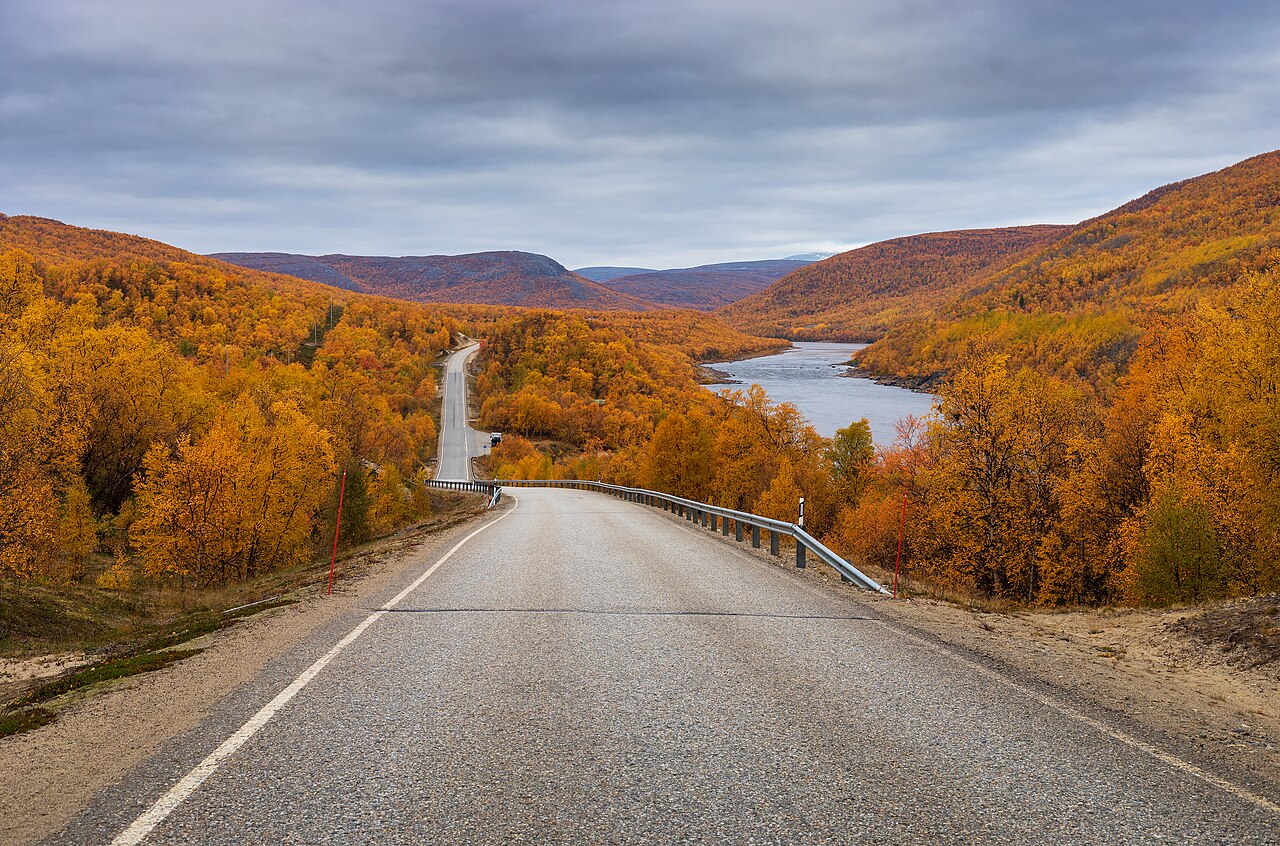
Representative photo showing a scenic road during the fall season, illustrating the type of terrain RV travelers must navigate as they plan routes based on elevation and changing weather. Photo: Ximonic (Simo Räsänen) / Wikimedia Commons · CC BY-SA 4.0. Resized for display. Sources checked October 23, 2026.