













Rethinking Campsite Lighting for Darker Evenings
As the calendar shifts into the shoulder season, the rhythm of RV travel changes. With sunset arriving earlier, your campsite becomes the primary hub for evening activities. This transition offers a perfect opportunity to evaluate how we illuminate our outdoor space. The National Park Service emphasizes that natural lightscapes are critical for both the visitor experience and the health of local ecosystems. When you are parked in a campground, your lighting choices impact not just your own site, but the experience of your neighbors and the wildlife around you.
According to the National Park Service Outdoor Lighting Principles, the goal is to balance human safety with the preservation of the night sky. Instead of flooding your entire campsite with bright, white LED strings, consider a more targeted approach. The NPS suggests that when lighting is necessary, you should identify the specific task area that needs illumination, such as a cooking surface or a pathway, rather than lighting the entire area. Using fully shielded fixtures that direct light downward prevents light trespass, which can degrade visual performance for you and your neighbors. Furthermore, excessive light can disrupt the nocturnal behaviors of local wildlife, which are often more active during the quieter shoulder season months.
Additionally, the color temperature of your lights matters significantly. The NPS recommends using warm-white or amber lighting, as blue-white light can appear brighter, create discomfort glare, and impact dark-adapted vision. If you are upgrading your campsite gear, look for options that allow for dimming or motion control. These features ensure you only use the minimum amount of light necessary, which is often far lower than what we are accustomed to in urban environments. Reducing your lumen output not only protects the night sky but also helps preserve your own night vision, making it easier to navigate your campsite safely in the dark.
Engaging with the Park During the Shoulder Season
The shoulder season often provides a quieter connection to the parks, though it requires more flexibility regarding weather and road conditions. As noted in the National Park Service Camping guide, camping transforms a road trip into an experience by allowing you to witness the sunrise on a silent morning or listen to the sounds of the wilderness. This is an ideal time to explore educational programs that might be crowded during the peak summer months.
Many parks offer Junior Ranger programs that connect families to the history and ecology of the site. While these programs are often associated with children, they are designed for people of all ages and abilities. Exploring these activities can give your off-season trip a specific focus beyond just staying at the campground. If you are visiting a park, check the visitor center to see if they offer an activity booklet. Participating in these programs helps you understand the unique features of the landscape you are visiting, turning a simple stay into an educational journey.
If you are planning your arrival, remember to build a campground arrival card for a smoother check-in. This helps you manage the logistics of setting up your campsite before the sun goes down, allowing you to settle in and enjoy the dark sky rather than scrambling to connect utilities in the dark. A well-prepared arrival card should include your site number, utility connection requirements, leveling block needs, and the specific order in which you deploy your slides and awnings. By having these steps documented, you minimize the need for high-intensity exterior lighting during setup, keeping your arrival low-impact for other campers nearby.
A Seasonal Audit for Next Year’s Adventures
The late-season lull is also an excellent time to conduct a thorough audit of your RV and your gear. For the individual owner, this cycle serves as a reminder to focus on the utility and longevity of your current equipment. As you prepare to store your rig or wind down your travel for the year, use this time to assess what actually worked for you. If you are interested in refining your setup, consider reading about how to choose an RV water filter by the claim on the label or evaluating your current power systems. Taking a methodical approach to your gear now will save you time and frustration when the next season begins. Check your seals for any signs of wear, inspect your tire pressures, and ensure your emergency roadside kit is fully stocked. By addressing these maintenance items now, you ensure that your vehicle is ready to go when the next season begins, rather than discovering a repair need on the morning of your first trip.
Off-Season Gear and Safety Checklist
- Lighting Audit: Replace or adjust outdoor campsite lights to warm-color LEDs (2700K or lower) to minimize light pollution and glare.
- Task-Based Lighting: Ensure your headlamps and flashlights are charged and ready, prioritizing task-based lighting over high-lumen floodlights for evening tasks.
- Junior Ranger Check: Review the list of parks with Junior Ranger programs before your next trip to see what activities are available for your group.
- Utility Inspection: Check your water hoses, power cords, and sewer connections for wear or damage before the final winter storage.
- Documentation: Update your road file with any maintenance performed this season to keep your records current for the 2027 season.
- Seal Inspection: Perform a visual check of all roof and window seals to ensure they are ready for winter storage conditions.
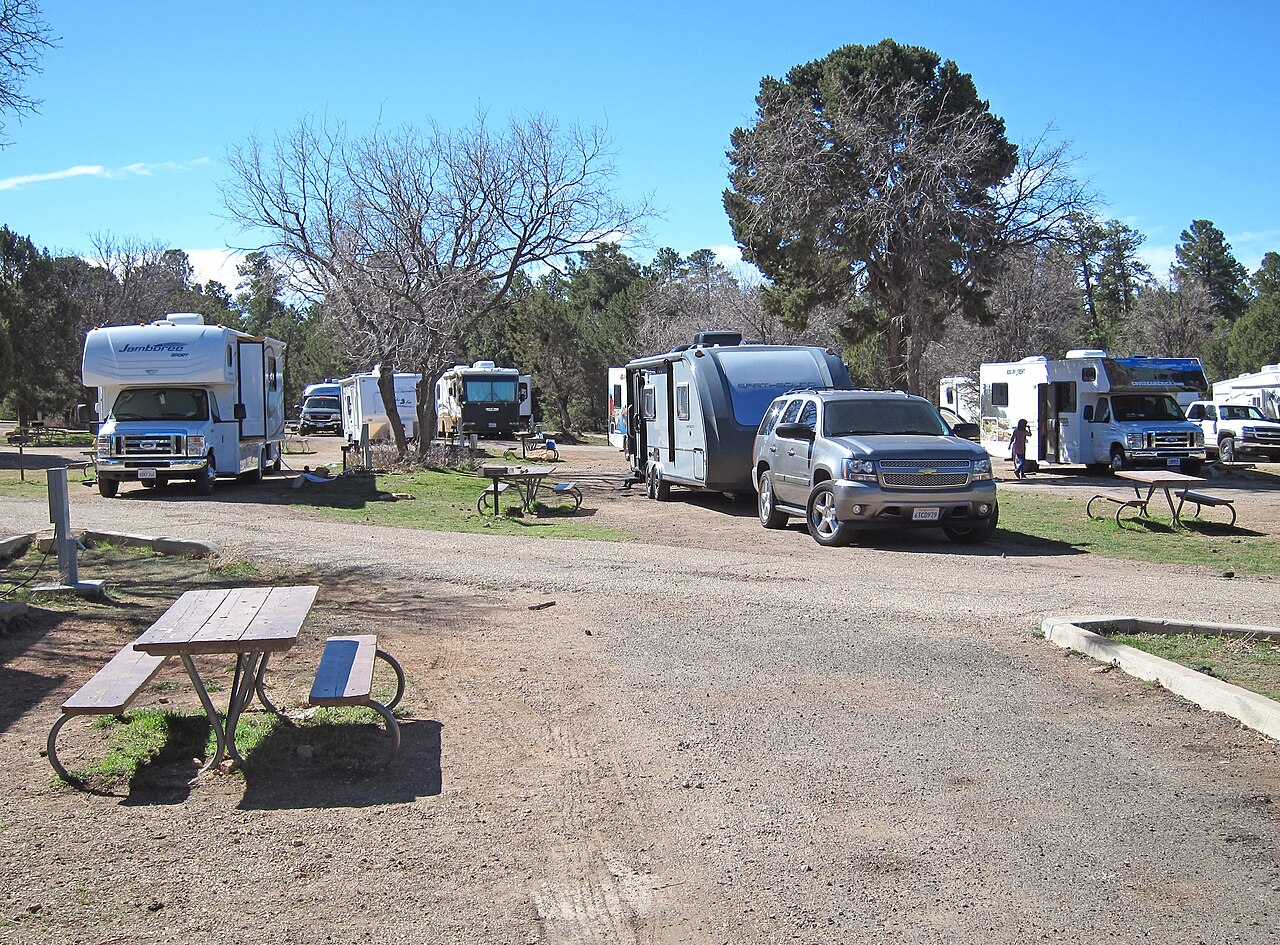
Representative photo. This image illustrates a typical RV campground setting, highlighting the environment where campers should implement dark-sky friendly lighting practices during the shoulder season. Photo: Grand Canyon National Park / Wikimedia Commons · CC BY 2.0. Resized for display. Sources checked October 24, 2026.