












Some memorable travel days begin with a task small enough to do carefully: observe a plant, record a bird, or help process information for a research project. Citizen science can add that kind of focus to a road trip. The important step is joining an actual project on its terms, rather than assuming any nature photograph becomes useful scientific data.
The National Park Service describes opportunities that vary from scheduled team activities to individual or virtual participation. Its guidance also notes that projects may be seasonal and recommends contacting organizers about expectations. For an RV traveler, that means researching participation before assigning a day in the itinerary.
Start with an active project
Use the official park website, the NPS citizen-science resources, or a recognized project catalog to find a current opportunity. Read what the organizers are asking participants to do. Confirm whether the activity is open to visitors, requires registration, or needs training before arrival. A past event page is not evidence of a new event.
Match the commitment to the trip. A brief observation opportunity and a recurring monitoring assignment are different responsibilities. If you cannot return regularly or submit work on the required schedule, choose a project that accommodates occasional participation. An honest small contribution is better than promising a continuing role you cannot maintain.
Learn the method before collecting
The value of a record depends on following the project's instructions. Learn what to observe, when to record it, how to report uncertainty, and what information should be submitted. Ask questions before the outing if the requirements are unclear. Do not invent an identification or measurement simply to complete a form.
NPS distinguishes citizen science, which collects or processes information for new knowledge, from activities that are primarily education or stewardship. Both can be worthwhile. Choosing the right name helps you understand the purpose of the day and avoids treating a useful litter pickup or interpretive walk as a data-collection project when it is not one.
Fit the visit around people and place
Check access, walking distance, conditions, facilities, and any equipment requirements. Confirm where your RV can appropriately stay and how you will reach the activity. A volunteer opportunity does not automatically include a campsite or vehicle parking arrangement. Keep those logistics separate unless the organizer explicitly provides them.
Choose a role that suits the group's interests and abilities. Some travelers may prefer outdoor observation; others may enjoy a virtual transcription or image-classification task from a suitable workspace. There is no need to turn every day into fieldwork. A project should add attention and participation, not become an obligation that overwhelms the trip.
Protect the subject and the record
Stay within the access rules and the project's instructions. Do not disturb plants, approach wildlife, collect specimens, or leave designated routes merely to obtain a more impressive record. Use the project's guidance for handling sensitive locations and personal information. A public travel post and a scientific submission may call for different levels of detail.
Complete the reporting process after the outing and keep any requested notes. If an observation is uncertain or incomplete, say so. Follow up only through the project's appropriate channels and respect the organizers' time. The goal is a useful contribution, not a claim that a single visit produced a scientific finding.
Keep one personal reflection beside the travel journal: what did paying close attention change? You may notice patterns you would otherwise have walked past. That experience can remain valuable even after the submission is finished and the RV has moved to another base.
Sources and planning resources
Keep exploring
Explore wildlife refuges as a road-trip focus. Give a family park visit a shared question.
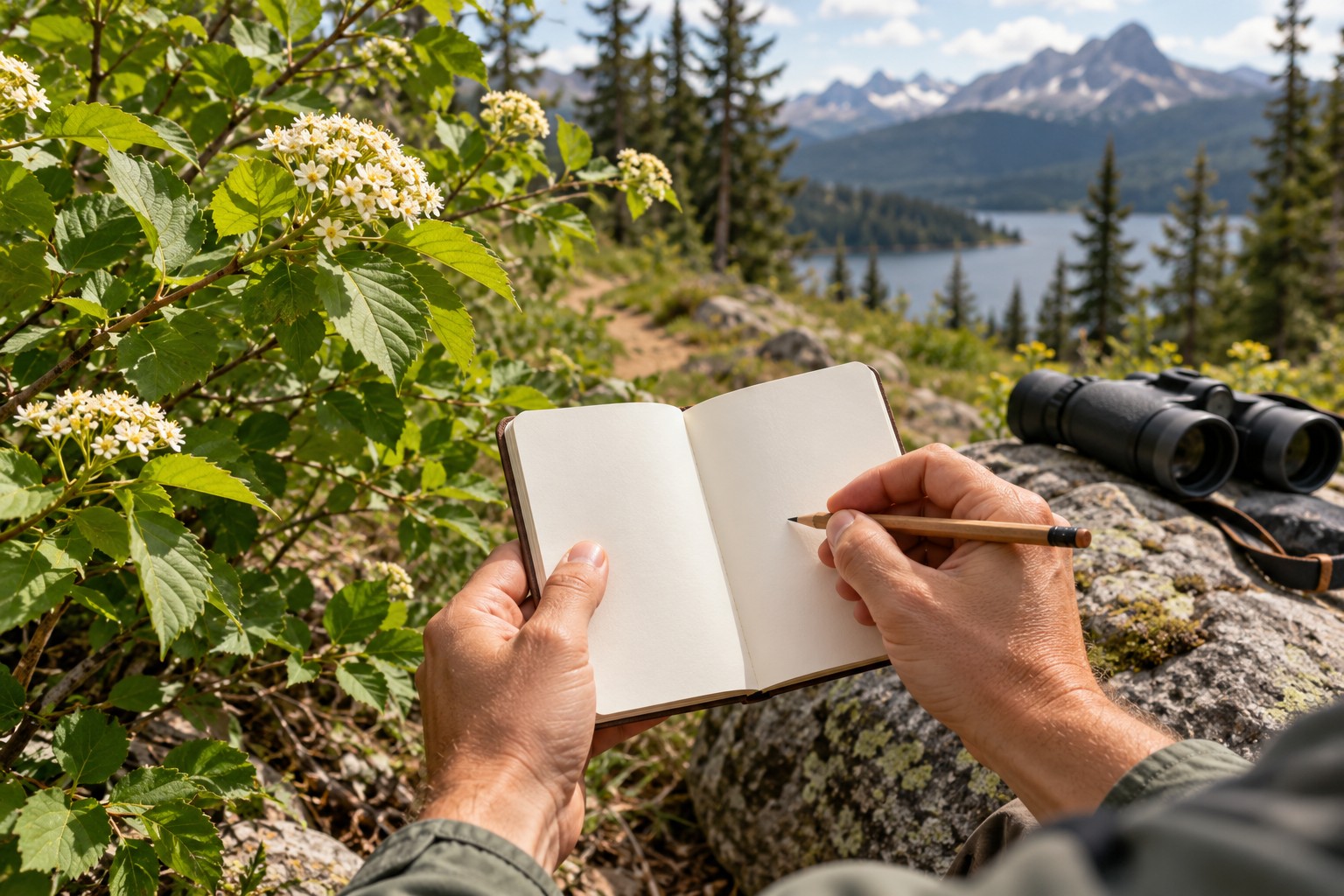
Featured image: Original AI-generated editorial illustration created for this article. It does not document a real visit or a product test.