
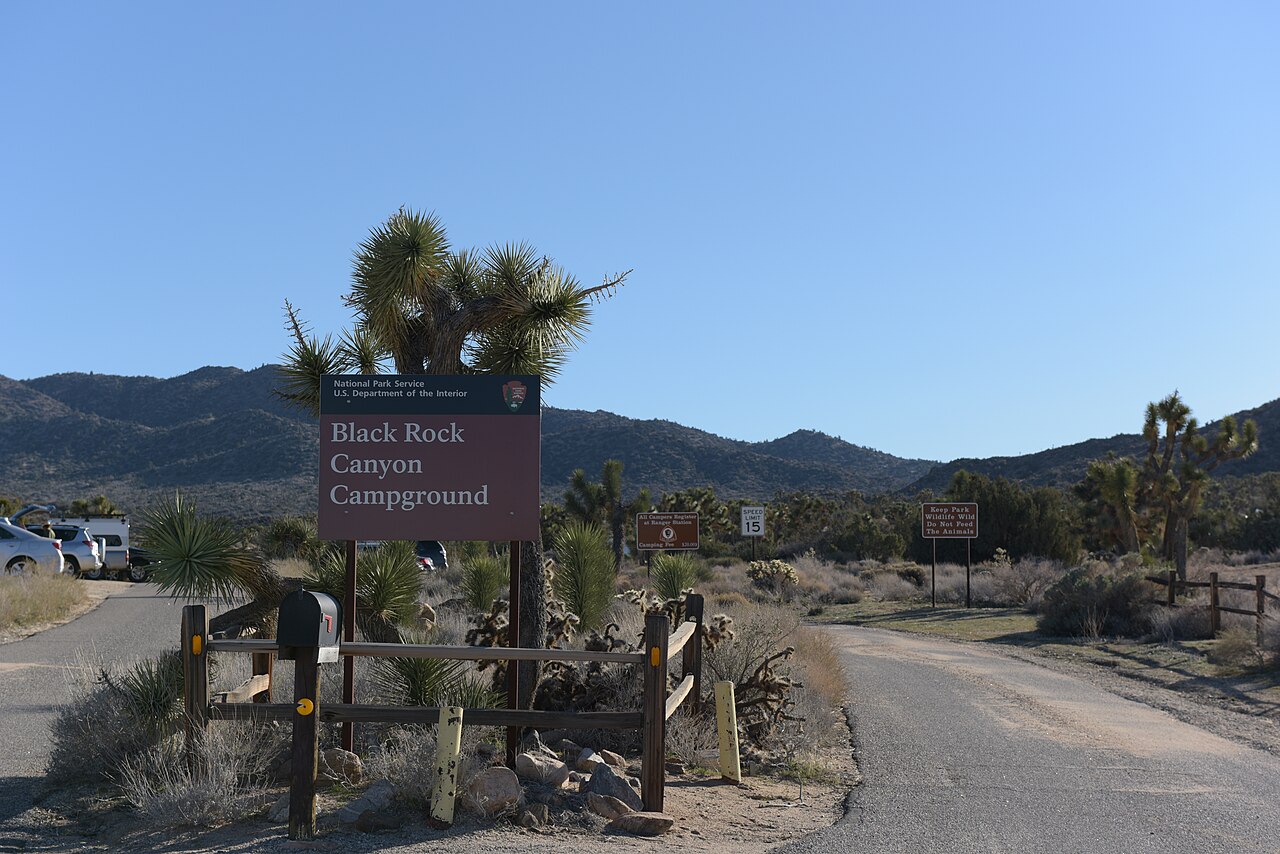

The transition from the road to the campsite is often the most stressful part of an RV trip. You are managing a large vehicle, navigating potentially tight turns, and trying to locate your specific site. Often, this happens in areas with spotty cellular service where you cannot easily pull up your reservation email or the park’s specific arrival instructions. To simplify this, build a physical or digital “arrival card” before you leave home.
Think of this card as a cheat sheet that distills your confirmation details into the information you actually need to reference while maneuvering the rig. By consolidating this data, you avoid fumbling through emails or relying on a connection that may not exist when you pull up to the ranger station or campground entrance. As noted by the National Park Service, the best sources of information are often found on park websites or the NPS app, but having the core details written down ensures you are prepared regardless of connectivity.
Mining Your Reservation for Essential Data
When you secure a spot, whether through Recreation.gov or a specific park website, you receive a wealth of administrative information. Most of it is unnecessary for the actual moment of arrival. Focus your card on the data that dictates your immediate actions upon entry. Policies listed for specific locations often supersede site-wide policies, so your arrival card should prioritize the details unique to your destination.
First, extract your reservation confirmation number. Keep this accessible for check-in kiosks or ranger verification. Second, identify your site number and loop. Many campgrounds are confusing mazes; knowing you are in “Loop B, Site 12” prevents you from circling the campground unnecessarily, which minimizes the time you spend blocking traffic. Third, confirm your check-in and check-out times. These dictate your arrival window; arriving too early can cause congestion, while missing the check-out window can complicate the next traveler’s arrival. Finally, note any entrance restrictions, such as gate codes or specific height restrictions on the approach road, which are critical for RV safety.
Your Fill-in Arrival Checklist
Copy this structure into a notes app on your phone, or print it out and keep it in your glove box. Fill it out for every stop on your itinerary to ensure you have a consistent, reliable point of reference.
Campground Logistics
- Campground Name: ___________
- Confirmation Number: ___________
- Site # & Loop/Section: ___________
- Check-in Time: ___________
- Check-out Time: ___________
- Gate/Access Code: ___________
Site Specifics
- Site Type (Back-in/Pull-through): ___________
- Hookups Available: ___________
- Nearest Water Fill Station: ___________
- Dump Station Location: ___________
Emergency & Local Contact
- Campground Office/Host Phone: ___________
- Park Emergency Number: ___________
- Nearest Town/Resupply: ___________
If you are using the NPS App, remember to download the park information for offline use before you leave home. This ensures that even if your arrival card is missing a detail, you have the park’s core information available without a signal.
The First Half-Hour Routine
Once you have your card ready, use the information to manage your first 30 minutes on-site. As noted in our guide on arriving at camp with a plan, the goal is to stabilize the rig and secure the site before you start unpacking. Use your arrival card to quickly identify if you need to fill your fresh water tank at a central station before pulling into your site, or if you can head straight to your pad. By having the site number and hookup status written down, you avoid the common mistake of setting up the rig only to realize you are parked in the wrong spot or facing the wrong direction for your connections.
Review the card while safely parked. If you are traveling with a partner, the passenger can consult it while the driver concentrates on the road; agree on any spotting plan after stopping. If your assigned site appears occupied or the posted information conflicts with your confirmation, contact the campground host or office before entering the site. Keep existing occupancy tags in place and let staff resolve any discrepancy. Having your confirmation details ready helps staff find the reservation and keeps check-in orderly.
Sources
Sources checked October 23, 2026. Confirm the instructions for your particular campground before travel.
Representative photo: Arriving at a campground entrance can be stressful, making a pre-planned arrival card essential for smooth check-in. Photo: Joshua Tree National Park / Wikimedia Commons · Public domain. Resized for display. Sources checked October 23, 2026.