
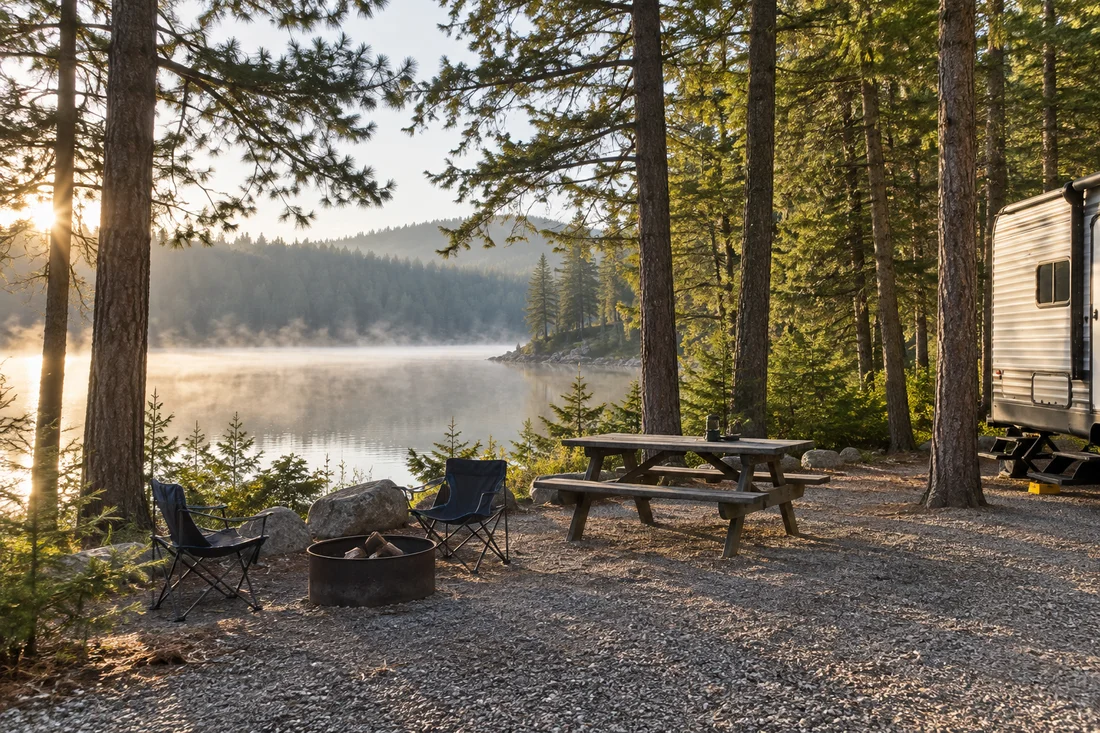
An RV at camp can hold a comfortable collection of supplies, but only the equipment you take on an outing is with you when you need it. Plan a day hike as its own activity. Choose the actual route, investigate current conditions, and prepare the group for that outing rather than assuming a nearby campground makes every walk simple.
Choose the route for the travelers
Research the distance, elevation, surface, access, and conditions of the particular route. Include the least experienced or most specific needs in the group’s decision. A famous viewpoint is optional; a suitable activity is the requirement. Ask park staff or the responsible authority when a critical detail remains unclear.
NPS trip-planning guidance emphasizes matching an activity to the group, researching the place, and preparing equipment. Its framework covers day and overnight outings while noting that more involved trips require additional planning. Use it for the actual activity rather than applying a casual sightseeing label. Official trip-planning guidance.
Pack what needs to come with you
Use the NPS Ten Essentials resource and the destination’s specific requirements to prepare the appropriate supplies. Check the equipment and learn its use before the outing. Items left in the RV cannot support a delayed return while the group is still on the trail. NPS Ten Essentials.
Do not treat a general list as a personalized medical, weather, or technical assessment. The actual activity may need additional preparation or professional advice. Follow current official guidance for the place and conditions, including closures and restrictions.
Connect the outing to transportation
Confirm how you will reach the start and return afterward. Research parking or transport arrangements for the actual vehicle, including any reservation or operating requirements. An RV-friendly campground does not establish that its nearby trailhead accommodates the same rig.
Leave a useful plan with an appropriate trusted contact following the applicable guidance. Keep essential route and contact information available offline. A social post or a wish to return before dinner is different from a clear plan that identifies where the group is going.
Check the handoff at the vehicle
Before leaving the RV, confirm that the supplies intended for the outing are actually with the group and that the route information is accessible. Identify who carries shared equipment and make sure its location is understood. Keep the vehicle properly secured and parked according to the applicable instructions. This final handoff is distinct from having packed the RV for a vacation: it checks what the travelers take away from their comfortable base. If an essential item or important condition is unresolved, address it before beginning the outing rather than assuming a short route makes it unnecessary.
Keep the return manageable
Allow for travel back to camp, a meal, and the ordinary tasks after the walk. Keep an easier alternative when the planned outing does not suit the actual day. Respect official conditions and the group’s capabilities rather than treating a booked campsite as a reason to complete every activity originally imagined.
Use our offline-information guide and the deliberate-contact framework where relevant. The aim is to enjoy time outside with the route, supplies, communication, and return thought through. A comfortable basecamp supports the outing, but it does not replace preparation for the hours spent away from it.